Wednesday, February 1, 2012

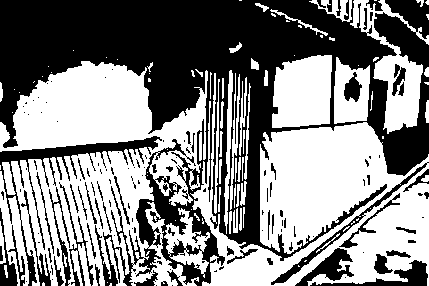
Without error diffusion

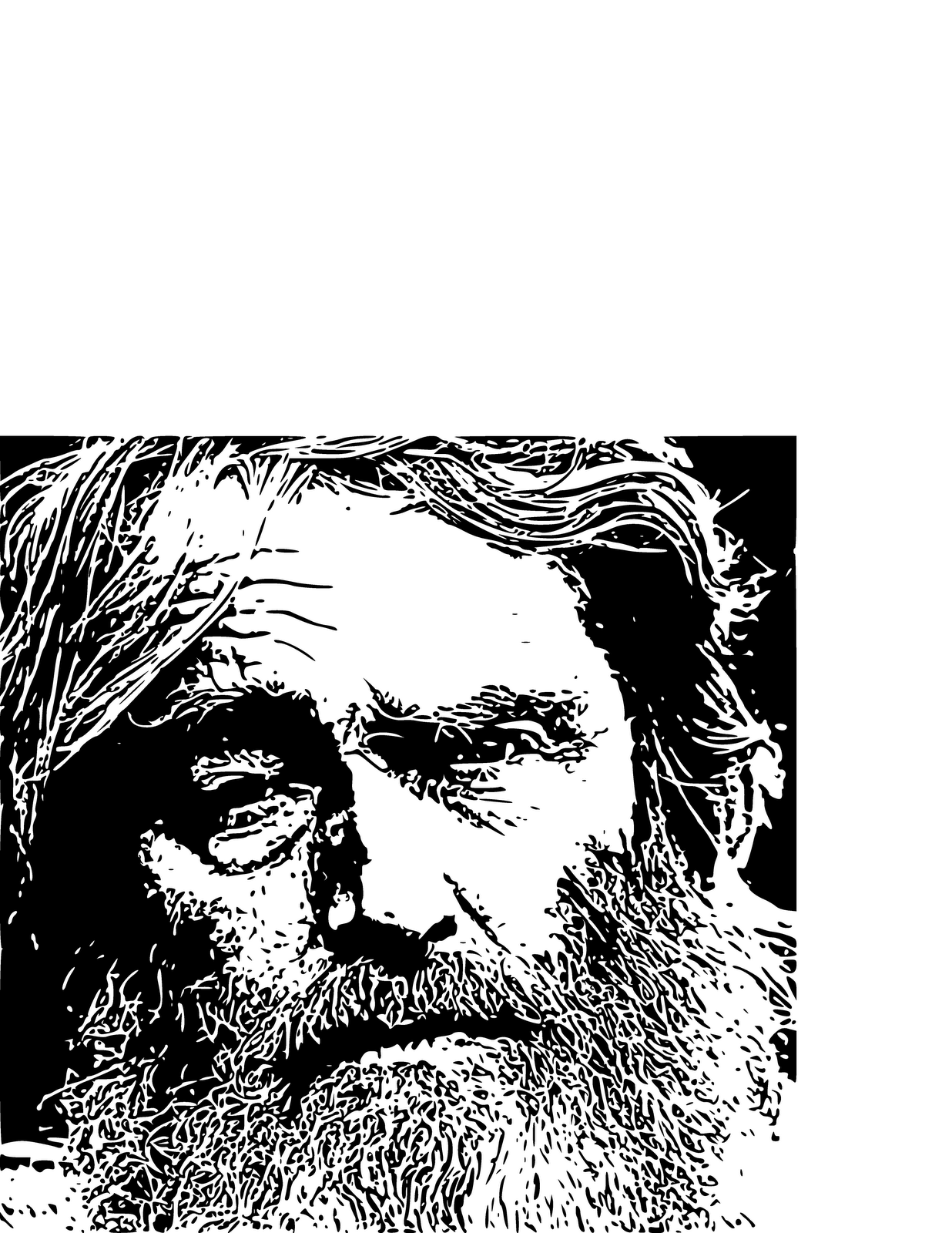
Without error diffusion


If without error diffusion, it is a thresholding method. The new modification is very close to this quality, but clustering pixels better. It means the error diffusion works but it is not the major factor to the structure quality now.

Tuesday, January 24, 2012

Another comparison with two thresholds (128, 224)

Very close to their quality now and sometimes it looks better. Next to introduce smoothing.


Using two thresholds (192, 224) to fix the Lena and the sheep

Get more black back. Have to think about some measures for blackness and for the structure as well to obtain a good adjustment.

Using three thresholds (96, 128, 192)

Test the local histogram and find the maximum one. Decide the threshold based on the maximum one. Testing on the sticky results. Threshold should be as the adjustment to decide the blackness used. Structure quality is from the sticky mask but should introduce some adjustment also to control the structure details.


Sunday, January 22, 2012

Using local average intensity as the threshold for each mask

It splitting the black. I am thinking if the gradual transition of the threshold value in the neighbouring area can improve the clustering.


Apply this to the results from the sticks filter


It means it preserves most of the contrast from the sticks filter. It also seems the thresholds should be adjusted. Shall we find an optimal adjustment?


Friday, January 20, 2012

Better, when reversing the contrast-aware distribution

The reason for this is because the priority scheme is working for that. They are still worse than traditional hard thresholding. I am guessing if adding the adaptive threshold control will be much better than this.